

Every morning there was a new scatter of tiny brown leaflets on the floor under my boston fern. The plant had been glorious for the first month — a fountain of green fronds arching in every direction — and then it started shedding, a little more each day, until the fronds were thin and the centre was bare. I moved it into the bathroom on a whim, mostly to hide it, and within six weeks it was full again. The bathroom did what nothing else had: it gave the plant humid air.
That is the whole story of boston fern care. It is not a fussy plant. It needs two things — humid air and consistently moist soil — and the average living room provides neither. Give it those two things, and it is one of the lushest plants you can grow.
Humidity is the whole game
Boston ferns come from humid forests, where the air stays damp year-round. Most homes sit around 30–40% humidity in winter, and rooms with the heating on can drop lower still. A boston fern in that air slowly dries out from the leaflet tips inward, no matter how well you water the soil — the fronds lose moisture to the air faster than the roots can replace it.
The fix is to change the air around the plant, not just the water in the pot. Here are the options, in order of how well they actually work:
- Put it in the bathroom. A bathroom with a window is the best spot in most homes. Every shower raises the humidity for hours, and the plant soaks it up. This single move fixed my shedding problem completely.
- Group plants together. Plants release moisture through their leaves, so a cluster of plants creates its own little humid microclimate. A boston fern surrounded by other plants does measurably better than one standing alone. My guide to grouping plants together explains how to build a cluster that works.
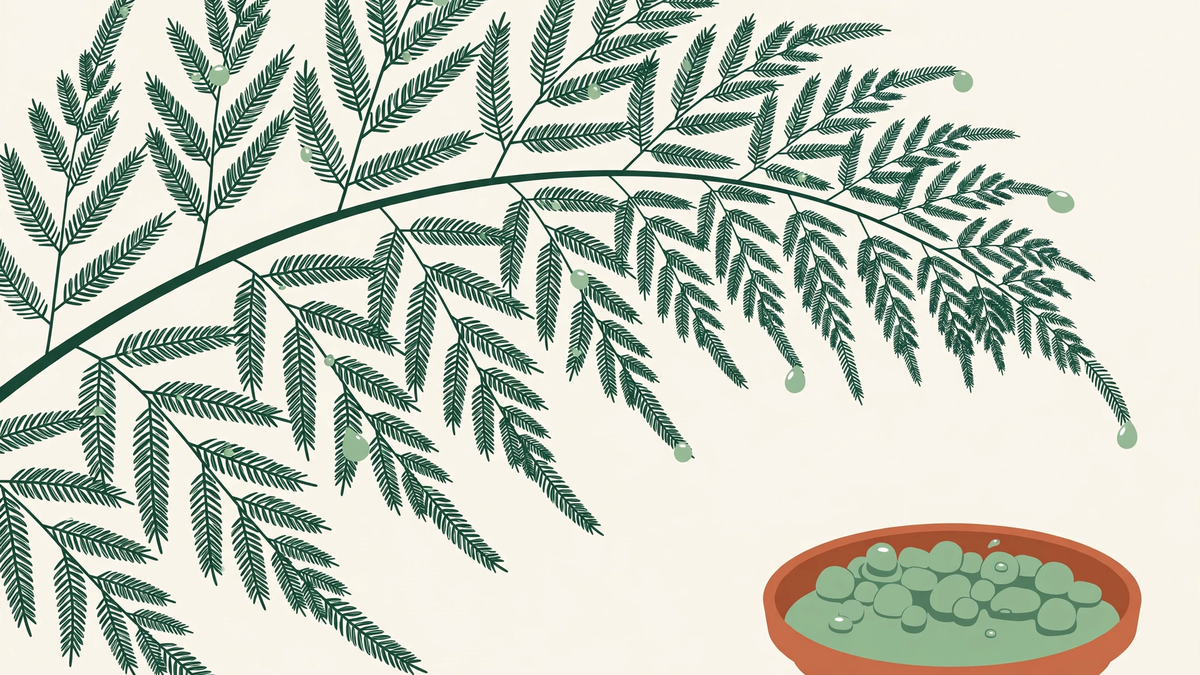
- Use a pebble tray. A shallow tray filled with pebbles and water, with the pot sitting on top (not in the water), raises the humidity immediately around the plant as the water evaporates.
- Run a humidifier nearby. The most reliable option if you want the fern in a living room rather than a bathroom. Even a small humidifier makes a real difference.
Misting is the option everyone tries first, and it is the least effective. A mist raises humidity for about ten minutes, then it is gone — and wet fronds in still air can invite fungal problems. If you enjoy misting, it does no harm, but do not rely on it. For the full picture on what the numbers mean, see my guide to humidity for houseplants.
The shedding problem, solved
Shedding is the complaint I hear most about boston ferns, and it has a handful of distinct causes. This is the diagnostic table I use when someone asks me why their fern is dropping leaflets:
| What you see | Likely cause | What to do |
|---|---|---|
| Dry brown leaflets dropping daily | Low humidity | Move to bathroom or add humidity |
| Green leaflets dropping | Overwatering or cold draught | Check soil; move away from draughts |
| Whole fronds yellowing then dropping | Natural ageing, or underwatering | Trim old fronds; check watering |
| Shedding after a move | Acclimation shock | Give it 2–3 weeks; keep conditions steady |
| Shedding in winter only | Heating drying the air | Raise humidity; move away from radiators |
A few dropped leaflets are normal — ferns constantly replace old growth. The problem is heavy, daily shedding that thins the plant. In my experience, nine times out of ten it is humidity, and the bathroom move fixes it within a month.
When fronds do go brown, trim them off at the base with clean scissors. Dead fronds do not recover, and leaving them in place makes the plant look worse and can harbour pests. Do not pull them — cut them cleanly, close to the soil, so you do not damage the new fronds unfurling in the centre.
Watering: consistently moist, never soggy
Boston ferns want their soil moist all the time — not wet, not dry, but evenly damp like a wrung-out sponge. This is the opposite of the succulent routine: letting a boston fern dry out completely will crisp the fronds, and they do not recover.
In practice, that means watering once or twice a week in summer and weekly in winter, checking the soil every time. If the top centimetre feels dry, water. Water thoroughly until it drains from the bottom, then empty the saucer — the roots should not sit in standing water, which causes rot even in a moisture-loving plant.
The soil matters here. A standard houseplant compost with a little extra peat or coir holds moisture well. Add a handful of perlite so it does not become a soggy brick. The pot should have drainage holes, and a plastic or glazed ceramic pot holds moisture better than terracotta, which dries out fast — the one case where I do not reach for terracotta first.
If you go away for a week, a boston fern is the plant most likely to suffer. A self-watering pot, a wick setup, or asking someone to water it once mid-week is worth arranging. One bad dry spell can cost you half the fronds.
Light: bright, but never direct
Boston ferns want bright, indirect light — an east-facing window is ideal, or a north-facing window, or a spot a metre or two back from a south-facing window. Direct sun scorches the fronds, turning them pale and crispy at the edges. Deep shade is no good either: the fronds get sparse and leggy, and growth stalls.
The bathroom test is simple: if you can comfortably read a book in the bathroom during the day without switching the light on, there is enough light for a boston fern. A windowless bathroom will not work — no plant grows in the dark, whatever the label says. My guide to the best plants for a bathroom covers which plants suit low-light bathrooms and which need a window. And if you have pets, the boston fern is a good bathroom choice for another reason: the ASPCA lists it as non-toxic to cats and dogs.
Feeding, repotting, and dividing
Boston ferns are modest feeders. A half-strength liquid houseplant fertiliser once a month from spring to early autumn is enough. Overfeeding shows up as brown frond tips and salt crust on the soil — and a fern with fertiliser-burned fronds looks worse than an unfed one.
Repotting is a spring job, every one to two years, when the roots fill the pot. Ferns like to be slightly snug, so only go up one pot size. When you repot, you will see the root ball is a dense mat — that is normal. Tease the edges gently, trim any black or mushy roots, and settle it into fresh mix at the same depth.
Repotting time is also dividing time, and division is the easiest way to multiply a boston fern. Take the plant out of its pot, and with a clean knife cut the root ball into two or three sections, each with fronds and roots attached. Pot each section separately, water well, and keep them humid for the first few weeks while they settle.
Ferns also reproduce by spores — the brown dots on the undersides of mature fronds. Growing from spores is possible but slow and fiddly; division is faster and far more reliable for home growers.
Troubleshooting quick list
Brown frond tips. Low humidity is the usual cause. Raise the humidity and trim the brown tips with scissors, cutting at an angle to follow the frond's natural shape.
Pale, washed-out fronds. Too much direct sun. Move to bright indirect light.
Fronds going yellow from the base. Often overwatering, or natural ageing of the oldest fronds. Check the soil is not waterlogged; trim yellow fronds at the base.
Tiny insects on the fronds. Scale insects and mealybugs both like ferns. Wipe them off with a damp cloth, and check the undersides of the fronds, where they hide.
The fern looks great in summer and terrible in winter. Heating is drying the air. This is the most common seasonal pattern with boston ferns, and the fix is humidity — move it to the bathroom for winter if you can.
Frequently asked questions
Why is my boston fern shedding leaves everywhere?
Shedding is almost always low humidity or inconsistent watering. Raise the humidity around the plant and keep the soil evenly moist.
How often should I water a boston fern?
Keep the soil consistently moist, never soggy and never fully dry — usually once or twice a week in summer, weekly in winter.
Can a boston fern live in a bathroom?
Yes — a bright bathroom is the best spot in most homes. The humidity from showers suits it perfectly, as long as it gets some natural light.
Why are my boston fern fronds turning brown?
Brown fronds usually mean dry air, underwatering, or direct sun scorch. Trim the brown fronds and fix the humidity and watering.
Should I mist a boston fern?
Misting helps briefly but does not raise humidity for long. A pebble tray, grouping plants together, or a bathroom spot works far better.
If you remember one thing… a boston fern in a bright bathroom, with moist soil, mostly takes care of itself — humidity is the whole game.